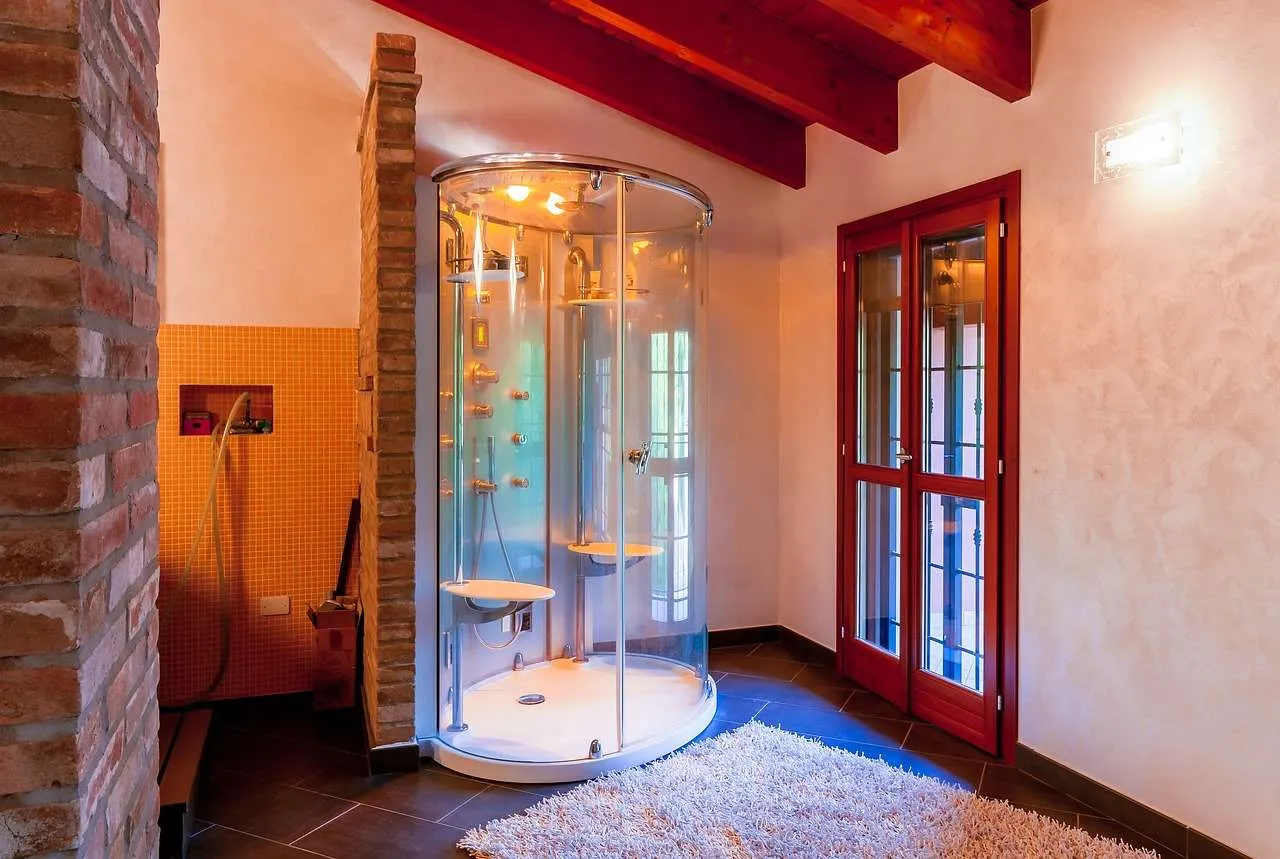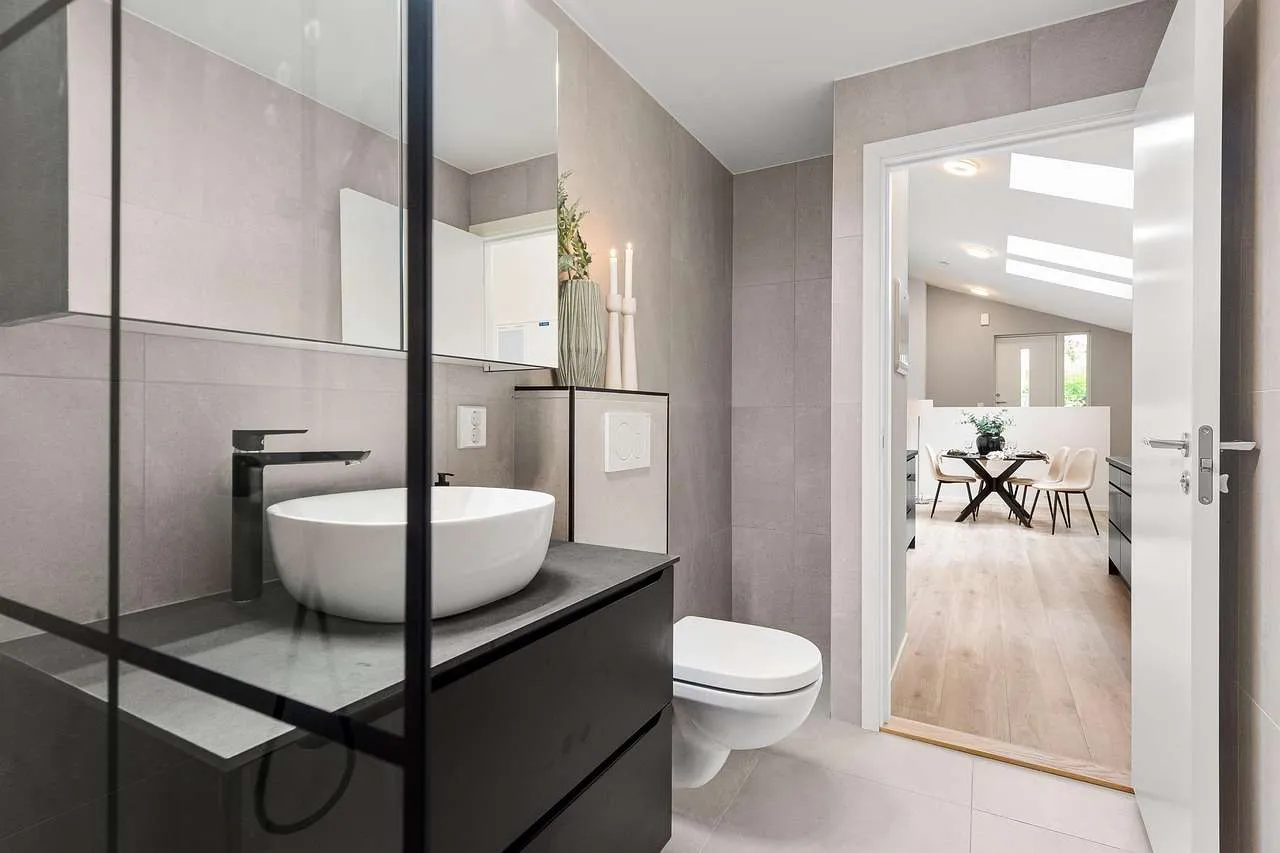
Creating a cohesive bathroom decor is about balancing aesthetics with moisture resistance and daily usability. With guidance from design principles and practical experience, you can craft a space that feels calm, functional, and timeless. This guide addresses color theory, material choices, lighting, storage, and accessories to help you design a bathroom that lasts and earns trust from readers who seek both beauty and reliability.
Understanding Bathroom Decor
Start by defining your style: modern, classic, coastal, or spa-inspired. Establish a base palette of neutrals and then layer in color through accents, textures, and finishes. A well-planned decor scheme considers traffic flow, moisture exposure, and cleaning routines so the space remains both beautiful and maintainable.
Color Palettes
Neutral bases (soft whites, warm beiges, or cool grays) create timeless backdrops. Introduce character with accent colors drawn from tiles, towels, or artwork. For smaller baths, lighter palettes maximize light, while bold accents—such as black hardware or a deep blue vanity—provide drama without overwhelming the room. Remember color psychology: softer tones promote a spa-like calm, while high-contrast pairings can energize the space when balanced with warm woods.
Materials and Finishes
Moisture resistance is non-negotiable in bathroom decor. Favor porcelain or ceramic tiles for walls and floors, quartz or porcelain countertops, and solid-surface vanity tops that withstand humidity. Choose cabinetry finishes that resist steam, such as thermofoil or painted veneers, and hardware in durable metals like brushed nickel, matte black, or brass. Mixing textures—matte tiles with glossy fixtures or tactile textiles—adds depth without sacrificing practicality.
Lighting and Mirrors
Effective bathroom lighting combines ambient, task, and accent layers. Install bright, shadow-free lighting around the mirror for grooming tasks, supplemented by softly diffused overhead lighting. Dimmable fixtures support mood shifts and nighttime use. Mirrors with anti-fog technology and magnification options can improve functionality while enlarging the space visually. Consider daylight-simulating bulbs to maintain color accuracy for makeup and skincare routines.
Key Elements of Bathroom Decor
A cohesive decor plan extends to the vanity, storage, hardware, and textiles. Thoughtful choices in these areas yield a polished look that remains easy to maintain.
Vanity and Storage
Opt for a vanity height and storage configuration that fits your routine. Closed cabinetry reduces dust and clutter, while deep drawers with dividers keep toiletries organized. Floating vanities create a sense of space in smaller bathrooms and can make cleaning easier. If space is tight, maximize vertical storage with tall cabinets or open shelving above the toilet for towels and essentials.
Hardware and Accessories
Hardware ties the room together. Select taps, showerheads, towel bars, and cabinet pulls in a unified finish to create a cohesive look. Finishes like brushed nickel, matte black, or warm brass work well across styles—from traditional to modern. Accessories such as soap dispensers, jars, and shelving should echo the overall color scheme and material palette.
Textiles and Greenery
Towels, mats, and shower curtains introduce softness and color. Choose textiles that resist mildew and dry quickly, and consider subtle patterns that coordinate with the tiles. Incorporating resilient greenery, such as pothos or zz plants, adds life and improves air quality, while real plants need accessible light and proper drainage to thrive in humidity-rich spaces.
Layout and Space Optimization
Layout decisions shape how you experience bathroom decor daily. In small baths, prioritize wall-mounted elements, open space under the sink, and glass enclosures that visually expand the room. Pocket doors or barn doors save clearance space, while vertical storage—cabinet organizers on walls or behind the door—keeps essentials reachable without clutter. Horizontal lines, lighter colors, and glass shower enclosures can make a compact room feel larger and brighter.
Trend vs Timeless and Sustainable Practices
Smart bathroom decor blends enduring style with eco-friendly choices. Favor durable, repairable finishes and water-saving fixtures that reduce long-term costs. Low-VOC paints and sealants improve indoor air quality, while LED lighting lowers energy consumption. Choose natural textures (stone, wood-look ceramic, cork) for a timeless feel that ages gracefully. Prioritize repairable components over fast-fashion options to boost both EEAT and longevity.
Comparison of Styles
| Style | Key Characteristics | Pros | Cons |
|---|---|---|---|
| Traditional | Warm woods, molding, classic fixtures | Timeless appeal; resale value | Higher maintenance; heavier look |
| Modern | Sleek lines, minimal décor, high contrast | Easy to clean; airy feel | Can feel cold without warmth |
| Minimalist | Clutter-free, pared-down palette | Calming; efficient use of space | Requires disciplined organization |
| Spa-style | Natural textures, neutral tones, soft lighting | Relaxing; luxurious feel | Can require higher upfront investment |
Budgeting and Maintenance
Plan with a realistic budget that separates hard installation costs from finishing touches. Prioritize durable, moisture-resistant materials and energy-efficient fixtures to reduce long-term maintenance. A phased approach—start with essential upgrades (lighting, ventilation, water fixtures), then add textiles and accessories—helps manage cash flow while achieving a cohesive bathroom decor.
Conclusion, a well-executed bathroom decor blends practical materials with a thoughtfully chosen color palette, layered lighting, and smart storage. By aligning your vanity, hardware, and textiles to a unifying style, you create a space that feels serene, functions flawlessly, and remains stylish for years to come.